
Fuels Handled
Fuel handling is a crucial component of industrial energy systems. The selection, storage, and transportation of fuel significantly impact operational efficiency, sustainability, and cost-effectiveness. Our systems are designed to handle a wide variety of fuels—from traditional sources like coal and pet coke to renewable options such as bagasse, briquettes, and paddy straw. These fuels are used across industries to generate power, steam, and heat. Efficient handling ensures consistent feed to boilers, reduces energy losses, and supports clean energy initiatives. Below are the primary fuels we manage, each tailored to specific industrial applications.
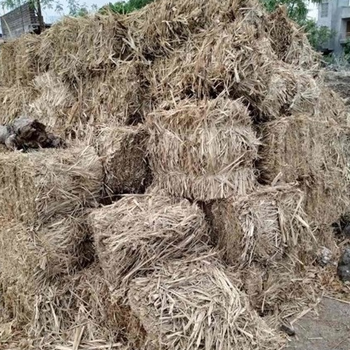
Bagasse
Bagasse is the fibrous residue left after extracting juice from sugarcane. It is a highly sustainable biomass fuel used in cogeneration plants for steam and electricity generation. Bagasse requires well-designed storage solutions to prevent moisture absorption and degradation. Our handling systems ensure steady feed rates and minimal clogging in feeding mechanisms. With increasing focus on renewable energy, bagasse plays a vital role in reducing fossil fuel dependence. It is commonly used in sugar mills and biomass-fired boilers for efficient thermal energy production.
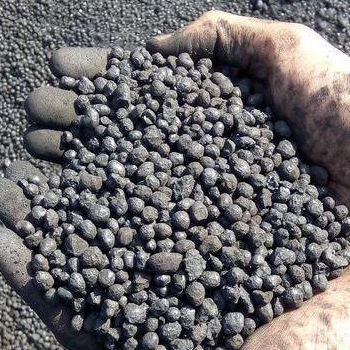
Pet Coke
Petroleum coke is a carbon-rich solid fuel derived from oil refining. It is widely used in cement kilns and thermal power plants due to its high calorific value and low ash content. The material must be stored in dry conditions to prevent combustion hazards. Our handling systems include conveyors, hoppers, and feeders optimized for dense, abrasive materials like pet coke. Its efficient combustion contributes to lower fuel consumption in energy-intensive industries. Handling must also consider dust control to minimize environmental impact and worker exposure.
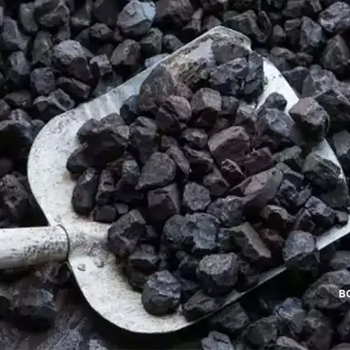
Coal
Coal is a traditional fossil fuel that powers industries and thermal plants. It offers consistent energy output and is transported and stored using specialized handling systems. Coal handling includes processes such as crushing, screening, and conveyor transfer for boiler feeding. Proper dust suppression and environmental safeguards are essential during coal transportation. Our systems are engineered for bulk movement while minimizing material loss and fire risk. Despite environmental challenges, coal remains integral to several high-load operations where reliability is key.

Rice Husk
Rice husk is an agricultural waste product used as a biofuel. It's an economical and eco-friendly alternative in biomass power plants and industrial boilers. Due to its low bulk density, rice husk handling requires specially designed screw or pneumatic conveying systems. It is essential to store rice husk in enclosed or covered facilities to prevent spontaneous combustion and moisture. Our handling setups include feeding mechanisms that ensure consistent and clog-free material flow. Rice husk is widely favored for renewable heat generation in agro-industries.
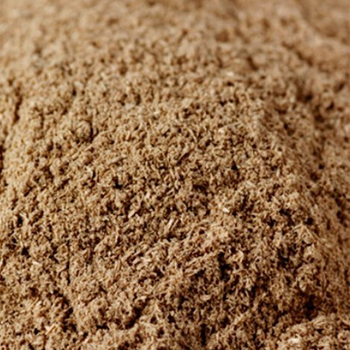
Saw Dust
Saw dust is a wood byproduct with excellent combustibility. It's used in briquette production and biomass boilers for clean energy generation. Saw dust must be handled with care due to its flammability and airborne dust risk. We offer enclosed conveyors and dust collection systems to ensure safety and efficiency. It is also used as a raw material in making fuel pellets and in gasification plants. Proper drying and storage conditions are key to maximizing its energy potential.
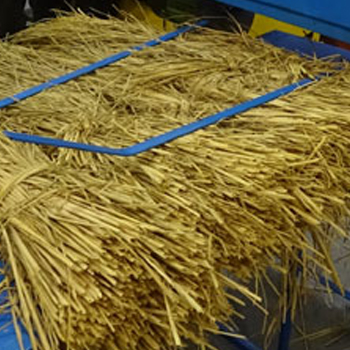
Paddy Straw
Paddy straw is the dry stalk left after harvesting rice. It is a promising biofuel, especially in regions promoting stubble burning alternatives. It is typically baled and transported in bulk, requiring robust handling systems for unloading and feeding. Paddy straw has a high moisture content and must be dried before combustion to improve efficiency. Our handling systems are tailored to reduce manual intervention and ensure smooth material flow. This fuel source supports sustainable agriculture and reduces environmental pollution.
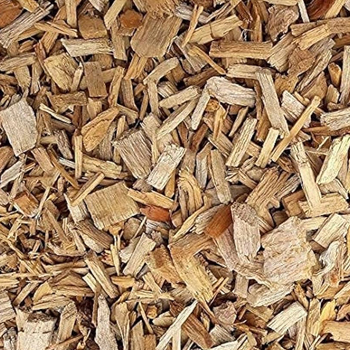
Wood Chips
Wood chips are small pieces of wood used in gasifiers, boilers, and power plants. They offer clean and renewable energy with low emissions. Their uniform size allows efficient feeding through conveyors, screw feeders, or chutes. Storage must be managed to prevent microbial activity and heat buildup. We design systems with moisture control and fire prevention mechanisms in place. Wood chips are widely used in biomass heating plants and combined heat and power (CHP) facilities.
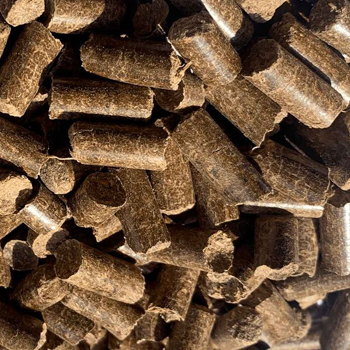
Briquettes
Briquettes are compressed biomass blocks made from agro-waste. They are an efficient and cleaner alternative to traditional coal and wood fuels. Their high energy density and uniform shape make them easy to store and transport. We provide automated feeding systems for boilers and furnaces that optimize combustion. Briquettes are gaining popularity in industries aiming to reduce carbon emissions. Our solutions ensure consistent delivery and minimal handling losses across the supply chain.